There are moments when cooking needs to feel effortless yet deeply satisfying, and this is exactly where Cacio e Pepe belongs. Ideal for a relaxed evening at home, an intimate dinner with loved ones, or a time when you want something comforting without spending hours in the kitchen, this dish offers warmth, simplicity, and tradition in every bite. Inspired by the refined Italian sensibility of Giada De Laurentiis, this Easy Cacio e Pepe Delight transforms a handful of pantry staples into a memorable meal.
The roots of this recipe trace back to the Roman countryside, where shepherds relied on durable ingredients that traveled well and provided nourishment after long days. Cheese, dried pasta, and pepper were practical choices that eventually evolved into one of Italy’s most iconic dishes. Today, Cacio e Pepe represents more than history; it reflects a philosophy of cooking that values technique, patience, and respect for ingredients. This version keeps the soul of the classic intact while making it approachable and achievable for any home cook.
The Beauty of Simplicity in Italian Cooking
Italian cuisine has long celebrated the idea that food does not need to be complicated to be extraordinary. Cacio e Pepe exemplifies this belief. With just pasta, cheese, pepper, water, and a touch of olive oil, the dish relies entirely on balance and execution. There are no shortcuts and no distractions. Each step matters, from the way the pepper is toasted to how the cheese is incorporated.
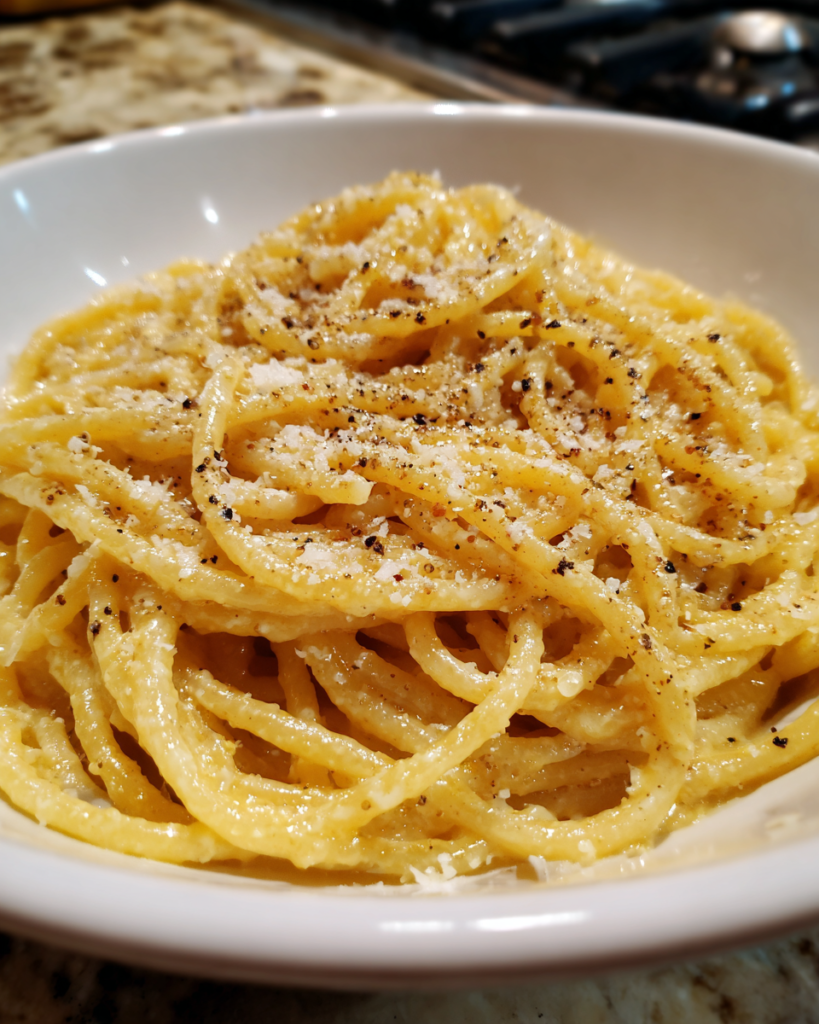
What makes this dish so captivating is its transformation. Ingredients that appear plain on their own come together to create a sauce that is rich, creamy, and layered with flavor. The sharpness of the cheese, the warmth of the pepper, and the silkiness created by pasta water combine into something far greater than the sum of its parts. This is why Cacio e Pepe has endured for generations and remains beloved by cooks and diners alike.
Why This Version Works So Well
This Easy Giada De Laurentiis Cacio e Pepe Delight is designed with the home cook in mind. While staying true to tradition, it emphasizes clarity and confidence. The steps are straightforward, the ingredients are accessible, and the results feel restaurant-worthy. The focus is on technique rather than complexity, allowing even beginners to achieve a creamy, cohesive sauce.
By paying attention to temperature, timing, and texture, this recipe eliminates common pitfalls such as clumpy cheese or dry pasta. The result is a dish that feels indulgent yet honest, making it suitable for both everyday meals and special occasions.
Ingredients You’ll Need
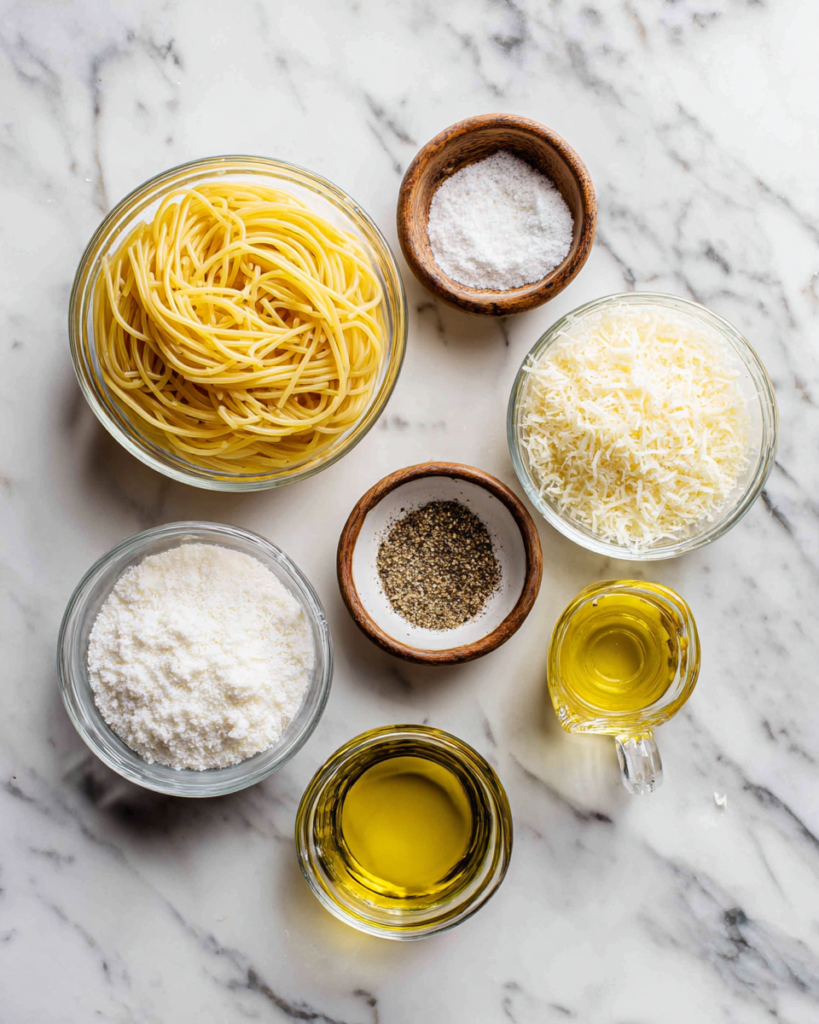
Using precise measurements ensures consistency and success. Gather the following ingredients before you begin:
- 12 ounces (340 g) dried spaghetti or tonnarelli
- 1 ½ cups (150 g) finely grated Pecorino Romano cheese
- 2 teaspoons freshly cracked black pepper, plus more for garnish
- 1 tablespoon olive oil
- 1 teaspoon kosher salt, for the pasta water
- Up to 1 ½ cups (360 ml) reserved pasta cooking water
Each ingredient serves a purpose. The cheese provides saltiness and depth, the pepper brings warmth and aroma, and the pasta water creates the signature creamy texture without the need for cream.
Step-by-Step Instructions
1. Cook the Pasta Properly
Bring a large pot of water to a rolling boil. Add the kosher salt, then the spaghetti. Cook until just al dente, following the package instructions. Before draining, carefully reserve 1 ½ cups (360 ml) of the starchy pasta water. Drain the pasta and set it aside briefly.
2. Toast the Pepper
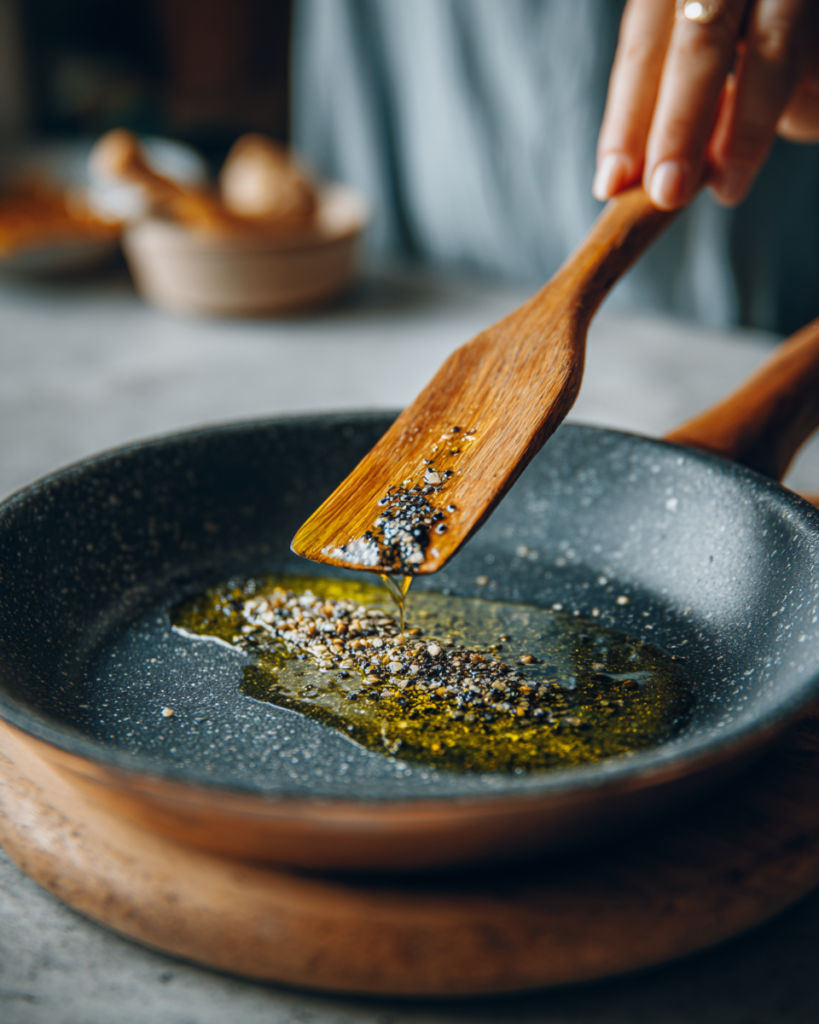
Heat a large skillet over medium heat and add the olive oil. Sprinkle in the freshly cracked black pepper. Toast for about 30 seconds, stirring constantly, until the pepper becomes fragrant. This step enhances the pepper’s flavor and removes any harsh rawness.
3. Build the Sauce Base
Pour 1 cup (240 ml) of the reserved pasta water into the skillet with the pepper. Bring it to a gentle simmer. The starch in the water will help bind the sauce.
4. Combine Pasta and Liquid
Add the drained pasta directly into the skillet. Toss continuously to coat the pasta evenly in the pepper-infused water. Allow it to simmer gently for about a minute.
5. Add the Cheese Carefully
Remove the skillet from heat completely. Gradually add the grated Pecorino Romano cheese, tossing constantly. Add small amounts of the remaining pasta water as needed to loosen the sauce. The goal is a smooth, glossy coating that clings to the pasta.
6. Taste and Serve
Taste the pasta and adjust with additional pepper if desired. Serve immediately, garnished with extra cheese and freshly cracked black pepper.
Essential Tips for Success
- Always grate the cheese finely to ensure smooth melting.
- Never add cheese while the pan is over direct heat.
- Toss continuously to encourage emulsification.
- Serve immediately for the best texture and flavor.
Serving Ideas and Meal Pairings
Cacio e Pepe is rich and satisfying, making it ideal as a main course. Pair it with a crisp green salad dressed lightly with lemon juice and olive oil to balance the richness. Simple roasted vegetables also complement the dish beautifully. Warm bowls before serving to help maintain the sauce’s silky consistency.
Frequently Asked Questions
1. Why does my sauce sometimes turn grainy instead of creamy?
A grainy sauce usually means the cheese overheated or was added too quickly. Pecorino Romano is sensitive to high temperatures, and excessive heat causes it to clump rather than melt. To avoid this, always remove the pan from heat before adding cheese. Add it gradually while tossing continuously, and use pasta water to help smooth out the sauce. Finely grated cheese makes a significant difference, as it melts more evenly and integrates seamlessly.
2. Can I substitute the cheese with another variety?
Traditional Cacio e Pepe relies on Pecorino Romano for its sharp, salty character. While other hard cheeses may melt similarly, they will change the flavor profile. Pecorino Romano offers a distinct intensity that defines the dish. If substituted, the result will still be tasty but less authentic. Using the correct cheese ensures you experience the dish as it was intended.
3. Is Cacio e Pepe suitable for beginners?
Yes, this dish is excellent for beginners who want to learn essential cooking techniques. While the ingredient list is short, the process teaches valuable lessons about timing, temperature control, and emulsification. With patience and attention, even novice cooks can achieve excellent results. Practicing this recipe builds confidence and sharpens foundational skills that apply to many other dishes.
4. How do I store and reheat leftovers?
Cacio e Pepe is best eaten fresh, as the sauce can thicken and lose its smooth texture when cooled. If you have leftovers, store them in an airtight container in the refrigerator for up to one day. Reheat gently in a skillet over low heat, adding a splash of warm water to loosen the sauce. Stir continuously and avoid high heat to prevent separation.
Final Thoughts
Easy Giada De Laurentiis Cacio e Pepe Delight is a reminder that great food does not require excess. It requires intention. This dish embodies the heart of Italian cooking, where quality ingredients and thoughtful preparation create unforgettable flavors. Each step invites you to slow down and engage with the process, transforming cooking from a task into a pleasure.
What makes this recipe especially meaningful is its ability to adapt to different moments. It can be a comforting solo meal, a shared dinner with family, or a simple yet elegant offering for guests. Its versatility lies in its honesty. There are no hidden elements, only a celebration of pasta, cheese, and pepper working together in harmony.
Mastering this dish also opens the door to a deeper appreciation of technique. Understanding how starch, heat, and fat interact empowers you in the kitchen. Once you feel confident creating a creamy sauce without cream, countless other recipes become less intimidating. That confidence is one of the greatest rewards of cooking.
Beyond skill, Cacio e Pepe creates connection. It connects you to centuries of tradition, to cooks who relied on simplicity, and to loved ones gathered around the table. In every bite, there is comfort, history, and care. By bringing this Easy Giada De Laurentiis–inspired version into your home, you are embracing a timeless approach to food that values balance, patience, and joy.
PrintEasy Giada De Laurentiis Cacio E Pepe Delight
A simple yet luxurious Roman pasta dish featuring Pecorino Romano, freshly cracked black pepper, and perfectly cooked spaghetti in a silky, cheese-based sauce.
- Prep Time: 10 minutes
- Cook Time: 15 minutes
- Total Time: 25 minutes
- Yield: 4 servings
Ingredients
· 12 ounces (340 g) spaghetti
· 1 ½ cups (150 g) finely grated Pecorino Romano cheese
· 2 teaspoons freshly cracked black pepper
· 1 tablespoon olive oil
· 1 teaspoon kosher salt
Instructions
1. Bring a large pot of water to a boil, add salt, and cook spaghetti until al dente. Reserve 1 ½ cups (360 ml) pasta water, then drain.
2. Heat olive oil in a skillet over medium heat and toast black pepper for 30 seconds.
3. Add 1 cup (240 ml) reserved pasta water to the skillet and bring to a gentle simmer.
4. Add pasta to the skillet and toss to coat.
5. Remove from heat and gradually add grated Pecorino Romano, tossing continuously. Add more pasta water as needed for a creamy sauce.
6. Serve immediately with extra cheese and pepper if desired.
Notes
Use finely grated cheese and remove the pan from heat before adding it to ensure a smooth, creamy sauce. Serve immediately for best results.